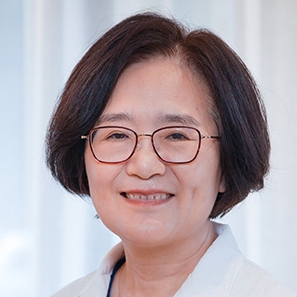
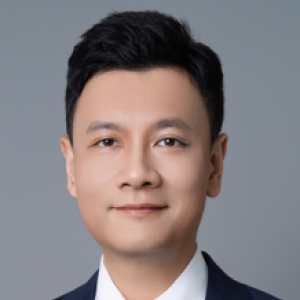
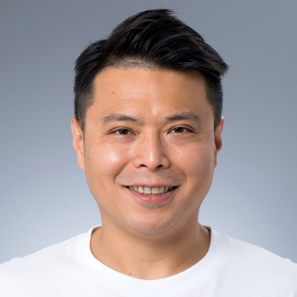
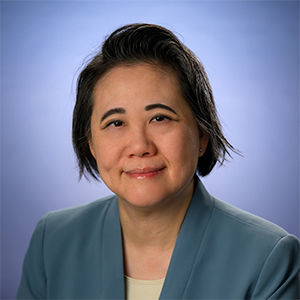
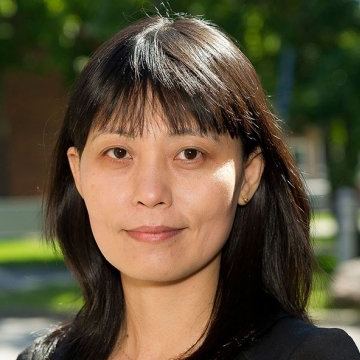
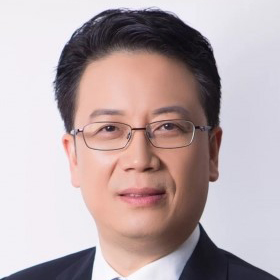
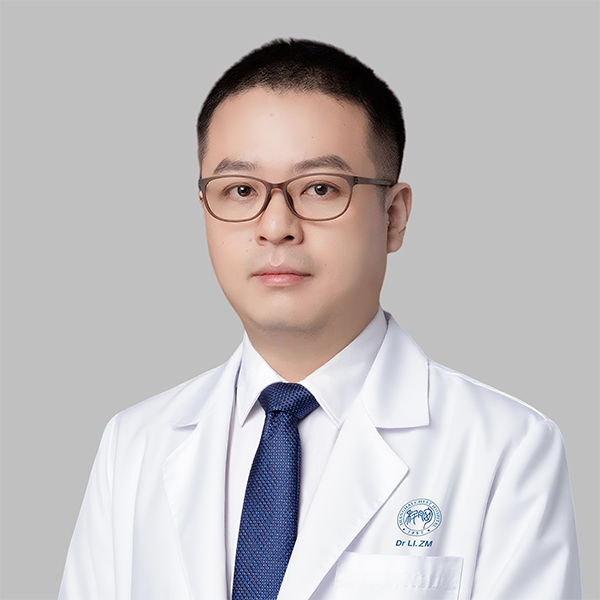
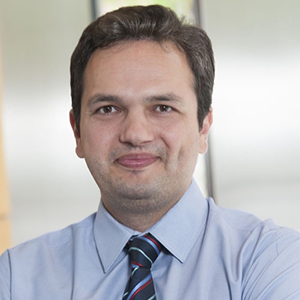
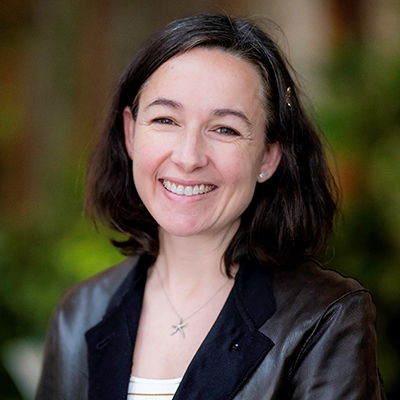
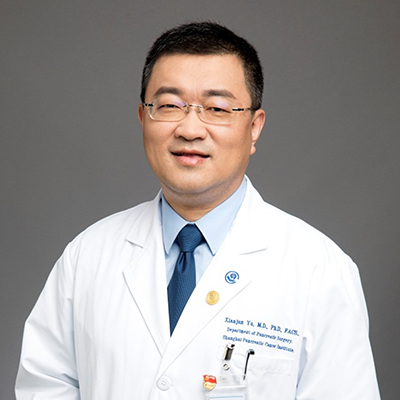
The organizational arrangements for the 2026 Westlake × Cell Press Oncology Conference have been updated. Cell Press will be represented on the conference organizing team by Drs. Peter T. Lee, Jiaying Tan, and Jiani Xiao. The Academic Committee comprises Drs. Yigong Shi, Hongtao Yu, and Kunliang Guan of Westlake University, and Drs. Peter T. Lee, Jiaying Tan, and Jiani Xiao of Cell Press.
Exploring Cellular and Oncolytic Therapies in Gastrointestinal Cancers
In recent years, cellular immunotherapies and oncolytic virotherapies have emerged as promising therapeutic strategies for gastrointestinal (GI) cancers. Despite encouraging advances, their clinical application in solid tumors remains challenging. Many ongoing research is exploring innovative approaches, such as novel target identification, immune cell engineering, optimization of oncolytic viruses, and modulation of the tumor microenvironment. This presentation will highlight recent advances and clinical investigations of cellular and oncolytic therapies in GI cancers, with a focus on emerging therapeutic strategies, translational challenges, and future directions, aiming to provide new insights into the development of more effective and personalized treatment approaches for patients with GI malignancies.
Immunotherapy with T cells expressing chimeric antigen receptors (CAR T cells) has transformed the treatment of pediatric B-cell acute lymphoblastic leukemia (B-ALL). However, the activity of CAR T cells for pediatric solid and brain tumors has been limited in early phase clinical studies despite encouraging antitumor activity in preclinical models. In my presentation I will summarize the St. Jude clinical experience with B7-H3-CAR T cells for pediatric solid tumors and brain tumors. In the second part of my talk, I will then review emerging strategies we are pursuing to improve the antitumor activity of CAR T cells, including Regnase-1 disruption and expression of modular leucine zipper-based chimeric cytokine receptors designed to activate selected signaling pathways. Together, these approaches will illustrate how engineering T cells beyond antigen specificity may improve the effectiveness of cellular therapies for children with cancer.
Cancer Immunotherapy: from Neoantigen to Tumor Microenvironment
Immunotherapy has revolutionized cancer treatment; however, its efficacy remains limited by inadequate T cell response and the highly immunosuppressive tumor microenvironment (TME). This presentation will highlight our efforts to advance cancer immunotherapy from neoantigen discovery to TME-targeted therapeutic strategies. We have established a systematic framework for neoantigen-based immunotherapy, including the identification of hotspot mutations, expansion of neoantigen sources through gene fusions, broadening epitopes through MHC-II neoantigens, and translation of these discoveries into personalized cancer vaccine trials. In parallel, we have revealed the critical role of myeloid cells, particularly neutrophils, in shaping immunosuppressive TME and revealed mechanisms underlying their regulation of anti-tumor immunity. Building on these insights, we developed tumor microenvironment antigen (TMA)-targeting vaccines that simultaneously eliminate tumor cells and suppressive immune populations, promoting immune activation and TME remodeling. Together, our studies establish an integrated paradigm for next-generation cancer immunotherapy by linking tumor-specific antigen targeting with modulation of the tumor ecosystem.
Jia Wei
Cancer Centre of Nanjing Drum Tower Hospital, Medical School of Nanjing University / State Key Laboratory of Pharmaceutical Biotechnology, Nanjing University
Tumor-reactive CD8+ T cells seldom form long-lived memory, leaving patients vulnerable to relapse. We find that interleukin-10 resolves this block through a two-step, spatially segregated program. Inside tumors, interleukin-10 signaling acts on stem-like TCF1+ CD8+ T cells through the mitochondrial pyruvate carrier to impose mitochondrial metabolism, CXCR4 expression, and enhancer priming at memory loci, without erasing exhaustion. These cells then relocate to tumor-draining lymph nodes, where type 1 conventional dendritic cells complete their conversion into recall-competent memory cells and exhaustion programs are extinguished. Interrupting either step abolishes protection against rechallenge. A tumor-targeted interleukin-10-anti-PD-L1 bifunctional antibody exploits this circuit to eradicate established tumors and confer durable immunity, establishing migration itself as a checkpoint in T cell fate.
Ping-Chih Ho
University of Lausanne and Ludwig Institute for Cancer Research
Rewiring Brain Cancer Through the Myeloid Cell Niche
Glioblastoma evolves within a chronically damaged, metabolically constrained brain microenvironment, co-opting resident microglia and infiltrating macrophages to sustain tumor growth and evade therapy. How spatial tissue context and metabolic stress drive microglial reprogramming and myeloid heterogeneity in glioblastoma is a central question. Using spatial transcriptomics, multi-omics profiling, and functional perturbation approaches in preclinical models and patient datasets, the spatiotemporal organization of the glioblastoma myeloid compartment reveals regionally defined microglial states that emerge along tumor invasion fronts and necrotic niches. Among these, a lipid-laden, GPNMB-expressing macrophage population, enriched in metabolically stressed tumor regions, actively recycles myelin lipids and transfers them to glioblastoma cells, fueling mesenchymal malignancy. These spatially constrained myeloid states suppress anti-tumor immunity and drive therapeutic resistance. Defining how brain-specific spatial cues govern microglial identity and function in glioblastoma uncovers niche-specific vulnerabilities that can be leveraged to reprogram the tumor microenvironment and restore durable therapeutic responses.
*All times and dates displayed are in local Hangzhou time (China Standard Time).
Venue: Yungu Campus, Westlake University
Session III: Precision Oncology
Keynote Talk
(40 min talk including Q&A)
09:00 - 09:40
Oncology Drug Development at an Inflection Point
Oncology drug development is undergoing a profound transformation driven by scientific innovation, technological convergence, and evolving global research ecosystems. This presentation will explore emerging changes that are reshaping how anticancer therapies are discovered, tested, and delivered. Novel clinical trial designs, including adaptive and platform studies, are improving efficiency and enabling more precise hypothesis testing in increasingly molecularly defined populations. The expanding role of real-world evidence and pragmatic clinical trials is complementing traditional approaches, supporting regulatory decision-making and post-market optimization. Globalization is accelerating trial access and diversity, while the architecture of early-phase oncology is shifting toward hybrid models that integrate academic excellence with privatized, high-throughput centers. Molecular residual disease (MRD), using circulating biomarkers, is redefining endpoints and enabling earlier intervention strategies in solid tumors, after already achieving proof-of-concept in hematological malignancies such as myeloma. Beyond genomics, precision medicine is incorporating transcriptomic, proteomic and spatial data to capture tumor complexity more comprehensively. Multimodal data integration, powered by artificial intelligence and machine learning, is advancing target identification, trial design, patient selection, and response prediction across the drug development continuum. Collectively, these innovations are driving a more adaptive, data-driven, patient-centric, and globally inclusive paradigm with the potential to accelerate therapeutic impact and improve patient outcomes.
Lillian L. Siu
Princess Margaret Cancer Centre & University of Toronto
Molecular Subtyping and Precision Treatment of Triple-negative Breast Cancer
Triple-negative breast cancer (TNBC) is a common and clinically challenging malignancy characterized by a high risk of recurrence and metastasis and limited effective therapeutic options. Conventional guidelines have historically recommended a one-size-fits-all chemotherapy approach, despite marked interpatient variability and suboptimal overall efficacy. Focusing on the molecular subtyping and precision treatment of TNBC, our team demonstrated through multi-omics analyses that TNBC is a highly heterogeneous group of tumors and established the first four-subtype classification system to guide individualized therapy. By systematically delineating the therapeutic targets and molecular mechanisms of each subtype, we developed subtype-guided precision treatment strategies that nearly doubled the objective response rate from 10.0% to 29.8% and prolonged median progression-free survival in the first-line setting from 5.8 to 11.3 months. Nevertheless, a subset of patients with refractory TNBC continues to derive limited benefit. This unmet need prompted us to look beyond the original molecular framework and uncover targetable vulnerabilities in tumor immunity, metabolism, and the microenvironment. Integrating these insights into the Fudan subtyping system may broaden therapeutic options and improve outcomes for those refractory TNBC patients.
Yi-Zhou Jiang
Fudan University Shanghai Cancer Center
Yi-Zhou Jiang
10:20 - 10:50
Coffee Break
10:50 - 11:15
Genomic Studies: Towards Precision Medicine in B Cell Lymphomas
Biomarkers for Predicting Benefit from Perioperative Immunotherapy in Gastric Cancer: Discovery and Clinical Translation
Perioperative immunotherapy improves outcomes in locally advanced gastric adenocarcinoma or gastroesophageal junction adenocarcinoma (GC/GEJC), but reliable predictive biomarkers are lacking. In this biomarker-stratified randomized controlled multicenter phase 2 trial, 136 patients with cT3-4aN + M0 operable GC/GEJC were enrolled and stratified based on the MHC-II expression of tumour cells (tsMHC-II) and randomized 1:1 to perioperative tislelizumab plus chemotherapy or chemotherapy alone. Among tsMHC-II-positive patients, combination therapy significantly improved major pathological response (mPR) (61.8% vs 26.5%, P=0.003) rates compared to chemotherapy alone, meeting the primary endpoint. No significant benefit was observed in tsMHC-II-negative patients. Furthermore, within the combination therapy group, tsMHC-II-positive patients had numerically higher mPR (61.8% vs. 23.5%, P=0.001) and pathological complete response (pCR) (32.4% vs. 5.9%, P=0.006) rates than tsMHC-II-negative patients. TsMHC-II is identified as a promising predictive biomarker, independent of PD-L1, for enriching GC/GEJC patients who obtain significant pathological benefit from perioperative immunotherapy. ClinicalTrials.gov: NCT06374901
Xiangdong Cheng
Zhejiang Cancer Hospital & Hangzhou Institute of Medicine, CAS
Checkpoint inhibitors have accelerated the clinical implementation of a vast mosaic of single agents and combination immunotherapies. However, the lack of clinical translation for immunotherapies as monotherapies or in combination emphasized the importance of discerning investigation. Multiple molecular mechanisms, such as metabolic alteration, genomic instability and neural regulation converge to propel tumour development are engaged. Mutations in enzymes, such as IDH, give rise to gliomas, leukemia (AML), and lymphoma (AITL). Another component is a seemingly unconnected biological process, and immunity is genomic instability. Unexpectedly, recent findings from our laboratory support the intriguing proposition that neurotransmitters, such as acetylcholine, tie the neuronal system to immune responses. I will discuss metabolic elements and neurotransmitters in immune cell regulation of infections, autoimmune diseases, thymic selection, liver regeneration, gastrointestinal motility, and cancer development.
Tak W. Mak
Princess Margaret Cancer Centre, University of Toronto and Centre of Oncology and Immunology, University of Hong Kong
Cytokines can have powerful anti-tumor activity, but their therapeutic use in cancer is hampered by systemic toxicity and limited efficacy. Major advances in protein engineering and computational protein design offer unprecedented opportunities to reimagine cytokine-based therapies. Synthetically designed cytokines can be generated with exquisite receptor binding affinities but lacking the labile nature of natural cytokines. Split-fusion strategies have already been reported to overcome toxicity and increase targeting to the tumor microenvironment. Here we report 21h10, a de novo version of IL-21, whose enhanced stability confers enhanced biological activity across multiple cancer models including melanoma and refractory pancreatic cancer. In melanoma mouse models and human ex vivo organotypic cultures, efficacy of 21h10 is dependent on CD8 T cells. By contrast, in pancreatic cancer, efficacy is not dependent on CD8 T cells or MHC class I expression by the tumor, but is instead dependent on Th1-polarized CD4 T cells. cDC2-primed, tumor-specific CD4 T cells produce IFNg that acts on macrophages to clear tumor cells. Ex vivo culture of 21h10 with human PDAC induces IFNg production from infiltrating T cells, suggesting a conserved mechanism of action. Ongoing engineering efforts for cytokines will further expand the therapeutic window.
Stephanie Dougan
Dana-Farber Cancer Institute, Harvard Medical School
Targeting Drug-Tolerant States to Prevent Cancer Relapse
Acquired resistance limits the durability of KRAS-targeted therapy, and non-genetic adaptation is increasingly recognized as an important mechanism of therapeutic resistance. We investigate adaptive tumor cell states and their therapeutic vulnerabilities across the continuum from treatment response through residual disease to resistant relapse. Using patient-derived and genetically engineered tumor models combined with single-cell multi-omics, lineage tracing, and functional genomic screening, we characterize residual tumor cells and identify actionable dependencies. In colorectal cancer, we show that distinct adaptive programs converge on restoration of MAPK signaling. Transcriptional reprogramming drives a Paneth-like lineage transition under combined KRAS and EGFR inhibition, enabling FGFR3-dependent pathway reactivation. Enhancer remodeling provides another route to signaling recovery by rewiring the mevalonate pathway to promote KRAS farnesylation and membrane localization. Characterizing treatment-induced states also reveals vulnerabilities that can be therapeutically exploited. In non-small-cell lung cancer, we identify a metabolic vulnerability in residual tumor cells following KRAS inhibition and show that targeting this vulnerability triggers pyroptosis and enhances antitumor immunity. Together, these studies identify complementary opportunities to constrain adaptive signaling and exploit metabolic vulnerabilities, providing a framework for targeting residual disease to prevent acquired resistance and relapse.